To avoid cost blowouts, compare quotes on full inclusions, site costs and contract terms rather than headline price, and lock the scope into a fixed-price contract in writing. Track spend weekly against a running budget and hold a contingency of 5 to 10% of the total budget.
- Advertised prices often exclude site costs, landscaping, fencing and driveways, so compare full inclusions side by side.
- A fixed-price contract only protects you if allowances for rock, soil and drainage are quantified in writing.
- Never approve a verbal variation; get every change quoted in writing with its effect on the completion date.
- A layered buffer adds a 2 to 5% risk contingency on top of the base contingency for sloping or unserviced sites.
- Keep a separate 2 to 3% cash reserve held by you to cover the gap between a variation invoice and the next payment.
Tired of renting and unsure where to start? We match you with fixed-price turnkey homes and guide you from enquiry to handover.
Why Construction Cost Blowouts Happen
Cost blowouts usually trace back to failing to assess the full project cost and misaligning budgets with contractor agreements.
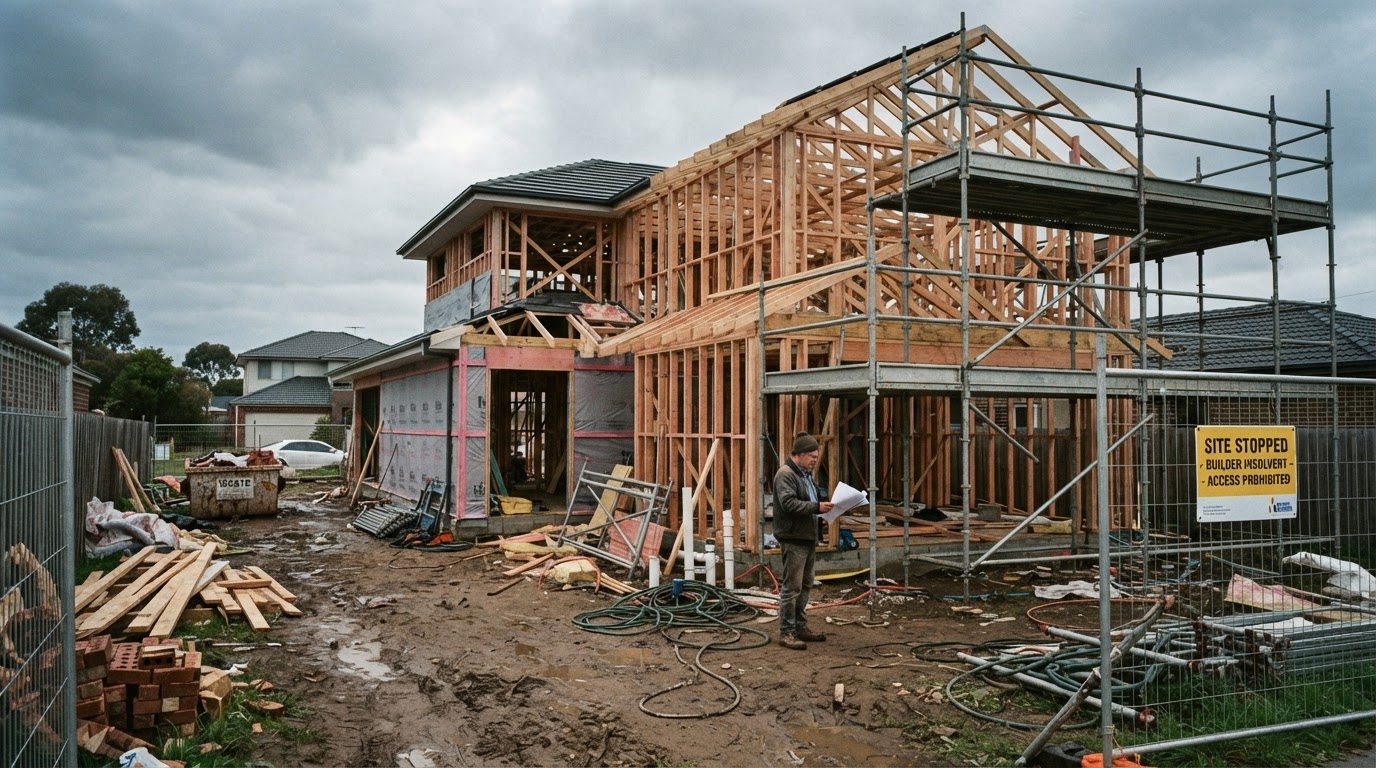
A construction cost blowout is the gap between what a build was quoted to cost and what it finally costs. It is rarely one dramatic event. It is a series of small, avoidable misses.
The Usual Suspects: Scope Creep, Site Surprises and Underquoting
- Scope creep: small "while we're at it" upgrades that each add a few thousand dollars
- Site surprises: sloping blocks, rock, drainage problems and soil issues that were never priced
- Underquoting: advertised prices that exclude site costs, developer requirements, landscaping, fencing and driveways
That last one is the quiet killer. Many advertised online prices are marketing prices designed to generate enquiries, not to reflect real build cost. For the full picture, read our guide to avoiding hidden site costs when building a home.
What the Research Says About Overruns
Research published in MDPI's Sustainability Journal analysis of construction cost overrun factors identifies poor cost estimation and weak budgeting as critical, recurring causes of overruns. The pattern repeats across projects of every size.
How to Compare Building Quotes Without Getting Burned
The right way to compare building quotes is to strip away the headline price and compare the full inclusions, site costs and contract terms side by side. A quote is only useful if you can see exactly what it includes.
Reading Beyond the Headline Price
A cheaper quote that excludes site works will often cost more by handover.
Compare these four things instead:
- Inclusions list: what is actually built, down to fencing and driveways
- Site cost allowances: are they fixed, or "to be confirmed"?
- Provisional sums: how much is left open to change?
- Escalation clauses: who pays if material prices rise mid-build?
Fixed-Price Building Contract Inclusions: What Must Be in Writing
A fixed-price contract locks the build cost for defined work, protecting you from most price rises during construction. A cost-plus contract pays the builder's actual costs plus a margin, which leaves you exposed to every increase.
A fixed-price contract can be a safer choice, but only if the inclusions are in writing. The gap between a fixed-price contract and a fixed-price outcome is almost always an inclusion that was never specified.
A Contract Review Checklist Before You Sign
Work through this before you sign anything:
- Full scope of works listed, including site costs
- Fixed price stated with a clear expiry date
- Allowances for rock, soil and drainage quantified
That last point matters more than most buyers realise. If you are weighing contract protections, our article on what happens if your builder goes bankrupt explains your position.
Red Flags in the Inclusions Schedule
A checklist tells you what should be there. A red-flag review tells you what should not. These clauses most often turn a fixed price into a moving one:
- "To be confirmed" site costs. If site works are not priced, they are not fixed. Ask for a site classification and a priced allowance before signing.
- Broad provisional sums. A large provisional sum for a major item, slab, roof, kitchen, is a price rise waiting to happen.
- Open-ended prime cost items. PC items for tapware, tiles and appliances should have a realistic allowance, not a token one that guarantees an upgrade variation.
What to Do If the Budget Has Already Blown
If you are already over budget, recovery is about reducing scope and re-negotiating, not finding more money.
- Freeze new variations immediately. Every additional approval compounds the overrun.
- Separate must-have from nice-to-have. Ask the builder for a priced list of deferred items, landscaping, fencing, second-stage finishes, that can be removed from the current contract and completed later.
- Re-negotiate the variation register, not the contract sum. Challenge any variation that was not quoted in writing before work started.
A blowout handled early is a scope reduction; handled late, it is a dispute.
Building Contract Variations: How to Handle Requests Mid-Build
A building contract variation is any change to the agreed scope, price or timeline after signing. Handle variations in writing, with a price and a new completion date, before any work starts.
The psychological trap here is real. Once the frame is up, a nicer benchtop feels like a small decision. It never is.
Simple rules that work:
- Never approve a verbal variation
- Get every variation quoted in writing first
- Ask how each change affects the completion date
Construction Budget Tracking Tools and Contingency Planning
A contingency fund is money set aside to cover unexpected costs. A buffer of 5 to 10% of the total budget is the standard recommendation, according to Sage's 2025 budgeting guidance on project complexity and risk. But a flat percentage is a starting point, not a plan. The number should move with the risk profile of the site and the contract type.
How to Size a Contingency That Actually Holds
A two-layer approach to sizing the buffer is one option:
- Base contingency (5-10%): covers ordinary unknowns, minor variations, small delays, a slightly higher PC item than allowed.
- Risk contingency (2-5% on top): covers identified but unpriced risks, rock excavation, retaining walls, service relocations, sloping-block earthworks.
On a flat, serviced block with a fixed-price contract, the base layer alone is often enough. On a sloping or unserviced site, or under cost-plus, the risk layer is not optional, a common pattern is to under-budget it and then treat the first variation as a surprise when it was entirely foreseeable.
Confirm in writing that contingency drawdowns require your written approval and are reconciled at practical completion.
Tracking Spend in Real Time, Not Monthly
Real-time cost tracking helps catch early warning signs. Three habits make it work:
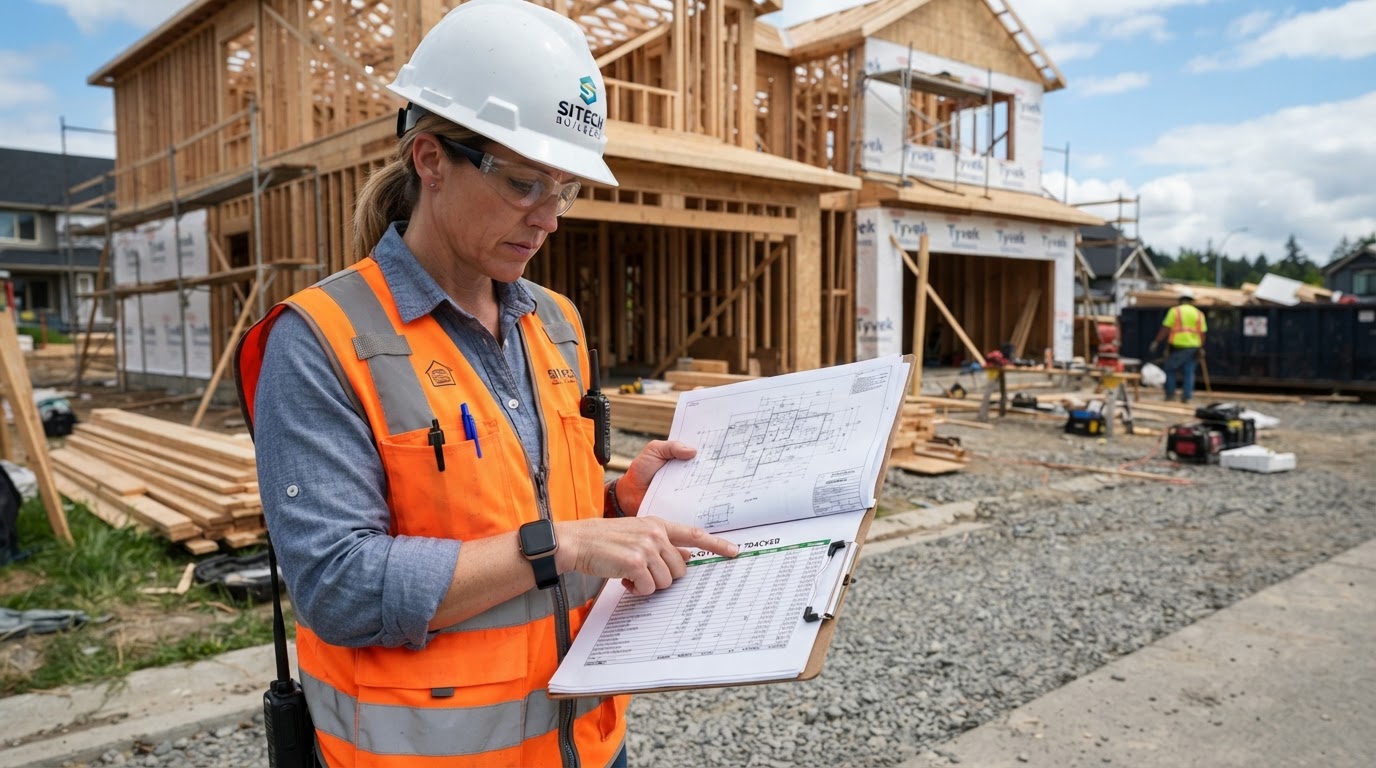
- A single running budget sheet that lists every allowance, provisional sum and prime cost item, with committed and actual columns.
- A variation register updated the day each variation is approved, not at month-end.
- A weekly five-minute reconciliation against the progress payment schedule, so you spot a stage that is running over before the next invoice lands.
If you are not getting a cost report you can read, ask for one. A builder who cannot produce a running total against the contract sum is a builder you cannot track.
Hedging Against Material and Labour Volatility
Material and labour costs can be volatile, so the following hedges are worth considering.
Practical hedges that work within a fixed-price contract:
- Lock major supply items early. Ask whether the contract allows you to fix the price on windows, cabinetry, roofing and structural steel at signing rather than at installation.
- Check the escalation clause. A fixed-price contract with a broad escalation clause is not fixed-price. Confirm which inputs can escalate and by how much.
- Ask about lead-time allowances. Long-lead items ordered late can force substitutions at a higher price. A schedule that orders them early is a cost control, not just a program control.
Pros and Cons of Common Budget Management Strategies
| Strategy | Pros | Cons | Best For |
|---|---|---|---|
| Fixed 5-10% contingency | Simple, easy to plan | Can be too small on complex sites | Standard builds |
| Layered base + risk contingency | Matches buffer to site risk | Requires a risk assessment upfront | Sloping or unserviced sites |
| Real-time cost tracking | Catches overruns early | Needs discipline and tools | Larger projects |
| Early supply-price locking | Shields against material spikes | Reduces flexibility on finishes | Fixed-price builds |
| AI-assisted estimating | Uses live material pricing | Still needs human review | Cost estimation |
| Fixed-price turnkey | Price certainty from day one | Less flexibility mid-build | First-home buyers |
A layered buffer plus real-time tracking can be more effective than either approach alone on complex projects.
If you want to check your numbers before you commit, you can book a free home ownership review call to talk through your budget and options.
Check My Options: Getting Independent Advice Before You Build
Independent advice is the cheapest insurance you can buy before signing a building contract. A buyer advocate reviews quotes, contracts and inclusions while you can still walk away.
At Find Select Buy, we run a complimentary buyers advocate service that helps you review quotes and contracts before you sign.
Check whether you are serious about getting out of renting first, since motivated buyers get the most from independent guidance. If you are unsure where you stand, our article on signs you need a buyer advocate is a good starting point, and you can book a free new home guidance call when you are ready.
Construction cost blowouts are avoidable, but only if you plan for them before the first contract is signed.
Frequently Asked Questions
What causes construction cost blowouts?
Most cost blowouts trace back to poor cost estimation, incomplete site assessments and budgets that were never aligned with the builder's contract. Failing to assess the full cost of a project and misaligning budgets with contractor agreements are recurring causes. Scope creep, material price rises and variations requested mid-build add to the total. A 5-10% contingency buffer helps absorb the unexpected, but it works best alongside a fixed-price contract and a proper soil test before you sign.
How much contingency should I allow for a construction project?
A buffer of around 5-10% of the total budget is a common starting point for absorbing unforeseen expenses. On a build with a lot of site unknowns, aim for the upper end. Either way, treat the contingency as untouchable for upgrades. If you spend it on a nicer kitchen, it is no longer protecting you from a blowout.
What should a fixed-price building contract include?
A fixed-price contract should list every inclusion in writing: site costs, developer requirements, landscaping, fencing, driveways, floor coverings, appliances and any upgrades you have agreed to. Check whether the price is genuinely fixed or subject to provisional sums and rise-and-fall clauses. Advertised prices can exclude site costs and developer requirements. Compare the complete picture so the total investment is clear from day one, and get any promised inclusion confirmed in the contract before signing.
How can I avoid unexpected site costs when building a home?
Commission a site assessment and soil test before contracts are finalised, and ask for the results in writing. Site costs for sloping blocks, reactive soil, retaining walls and service connections are where budgets commonly break. Ask each builder whether site costs are fixed or provisional, and get the answer in the contract, not in an email. At Find Select Buy, we focus on securing a fixed price, full turnkey house and land package so there are no hidden surprises once construction starts.
Ready to Find Out If You Can Own Instead?
Take our free 2-minute check to explore low deposit new home options matched to your income and situation.