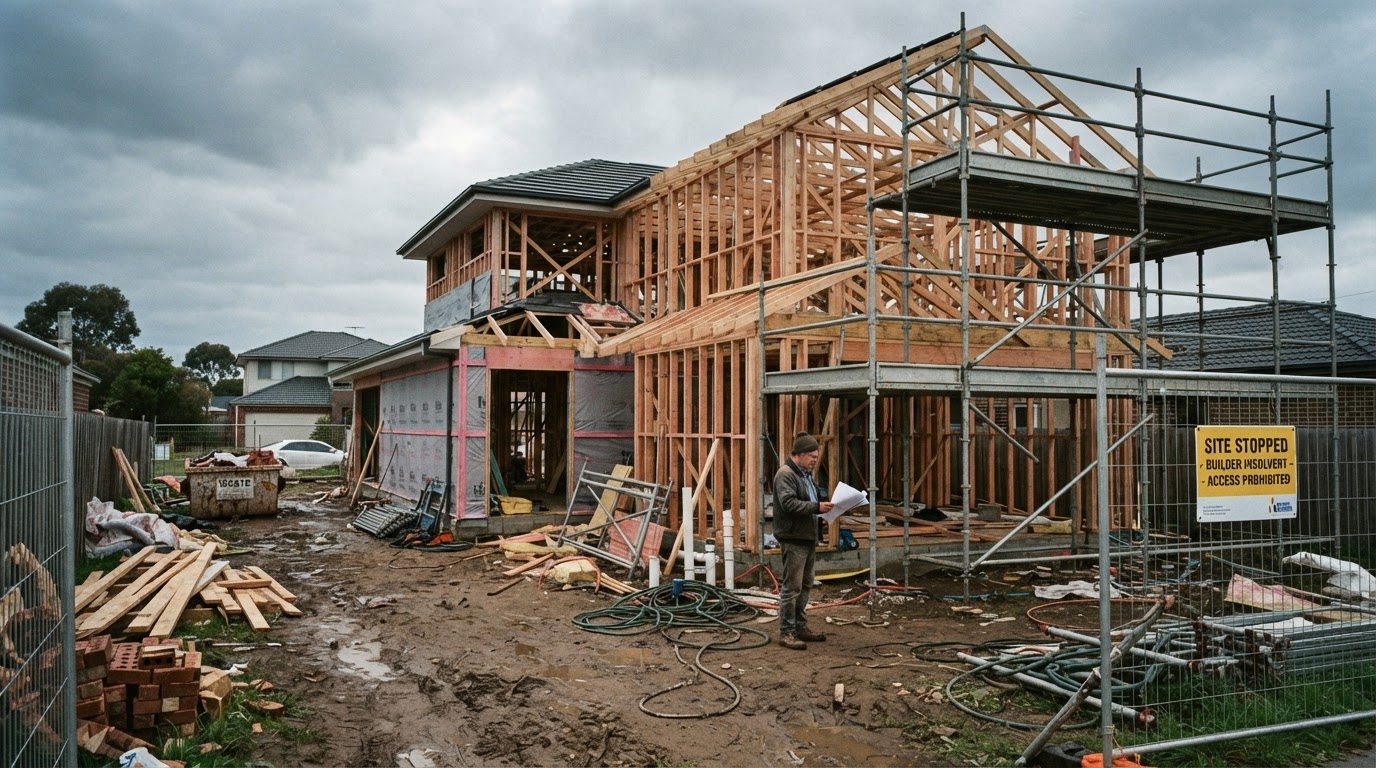

First home buyer grant eligibility in 2026 comes down to four tests: you must be a first home buyer, meet citizenship or residency rules, satisfy age and applicant requirements, and buy a property that falls within the relevant value threshold. A single missed criterion can disqualify an otherwise strong application, so it pays to check each test before committing to anything. The rules differ by state and territory, and they change. That is why a first home buyer grant is not a single national payment. It is a set of separate programs, each with its own definition of who counts.
Defining a First Home Buyer: Prior Property Ownership Rules
A first home buyer is someone who has not previously owned residential property in Australia, either solely or jointly. Most programs look back at your entire ownership history, not just the past few years. If your name has appeared on a title deed, even for a small share, you generally lose access to first home buyer concessions.
There are narrow exceptions. Some jurisdictions allow a previous owner back in if they sold a property after a relationship breakdown or held only a minority interest. Check the specific state or territory rules rather than assuming.
Citizenship, Residency and Age Requirements
Every applicant must be at least 18 years old. You must also be an Australian citizen or permanent resident, and in most schemes at least one applicant must meet that test. Temporary visa holders are usually excluded from the grant itself, though some lender and deposit schemes treat them differently. A residency requirement also applies: you must live in the home as your principal place of residence, typically within 12 months of settlement, for a minimum period.
New Home, Existing Home or Vacant Land: What the Grant Covers
The First Home Owner Grant is almost always tied to new property. A newly built home, an off-the-plan apartment, a substantially renovated home bought from a builder, or vacant land you then build on can all qualify. An established home usually cannot.
That distinction matters more than most guides admit. A first home buyer grant is designed to boost housing supply, so governments direct it at construction. Stamp duty concessions, by contrast, often extend to existing homes. If you are weighing a renovation project against a build, the grant question alone can tip the decision.
First Home Buyer Grants by State: A 2026 Comparison
No two jurisdictions run identical schemes, and the differences that decide most applications are not just the headline grant amount. The table below compares the main first home buyer grants by state on the criteria that actually determine eligibility: the grant amount, the property value cap, whether the grant is restricted to new homes, the residency and applicant tests, and the effective date of the current settings.
| Jurisdiction | Grant amount (AUD) | Property value cap (AUD) | New home only? | Key applicant and residency conditions | Settings current as at |
|---|---|---|---|---|---|
| New South Wales | $10,000 | $750,000 | Yes, new or substantially renovated | At least one applicant Australian citizen or permanent resident; owner-occupier within 12 months | Confirm on Revenue NSW before contract |
| Victoria | $10,000 | $750,000 | Yes | Regional uplift applies in some areas; 12-month residency | Confirm on State Revenue Office Victoria |
| Queensland | $30,000 | $750,000 | Yes, higher cap for new builds in some cases | Contract date rules determine which amount applies | Confirm on Queensland Revenue Office |
| Western Australia | $10,000 | Varies by region | Yes | Regional loading available; separate cap for land | Confirm on RevenueWA |
| South Australia | $15,000 | No cap on new build | Yes | Contract date rules apply; eligible contract window | Confirm on RevenueSA |
| Tasmania | $30,000 | No cap | Yes | Extended program with a defined end date | Confirm on State Revenue Office Tasmania |
| ACT | $10,000 | Income tested | Yes | Sliding scale on income; owner-occupier test | Confirm on ACT Revenue Office |
| Northern Territory | $10,000 | No cap | Yes | First home only; residency period applies | Confirm on NT Territory Revenue Office |
Three things are worth reading off that table before you look at any single number.
First, the grant amount is not the whole benefit. In several jurisdictions the first home buyer stamp duty concession is worth more than the cash grant on a modest purchase, and it applies at settlement rather than after it.
Second, the property value cap is a cliff, not a slope. Cross it by even a small margin and the grant disappears entirely in most schemes.
Third, the residency and applicant tests are where most surprises sit. Every scheme requires you to live in the home as your principal place of residence, typically within 12 months of settlement, for a minimum period.
Amounts, caps and effective dates change with each budget cycle, and a contract signed before or after a change date can fall under different rules. You can also book your quick home ownership review call for a personalised look at your own eligibility and options.
- Revenue NSW first home buyer guidance
- State Revenue Office Victoria first home buyer guidance
- Queensland Revenue Office first home owner grant
- RevenueWA first home owner grant
- RevenueSA first home owner grant
- State Revenue Office Tasmania first home owner grant
- ACT Revenue Office home buyer concessions
- NT Territory Revenue Office first home owner grant
Property Value Thresholds and Grant Amounts Explained
A property value threshold is the maximum purchase price at which a grant or concession still applies. Cross it by even a small margin and the benefit disappears entirely. There is no taper in most grant schemes.
The grant amount is a fixed sum, not a percentage, and it varies by jurisdiction. A first home buyer grant of either size is paid after settlement, usually through your lender or the revenue office, so it cannot fund your deposit.
Watch out: buyers often assume the value cap applies to the land only. Check how the threshold applies to a house and land package before you sign.
First Home Buyer Stamp Duty Concessions and How They Differ
Stamp duty concessions are not grants. A stamp duty concession reduces the transfer duty you owe on a property purchase, while a grant is a cash payment to you. The two often stack, but they follow different rules and different thresholds.
In practice, the stamp duty saving can be significant relative to the grant, and it applies at settlement rather than after it.
The trap is assuming one approval covers both. You usually need to claim the concession through your conveyancer at settlement and apply for the grant separately. Missing the concession claim is one of the most common and most expensive oversights we see.
First Home Guarantee Eligibility and the 5% Deposit Scheme
First Home Guarantee eligibility lets a buyer purchase with a 5% deposit while the government guarantees the remainder, avoiding lenders mortgage insurance. The 5% deposit scheme does not hand you cash. It changes what your lender requires of you.
To qualify, you generally need to be a first home buyer, meet an income cap, and buy within a price cap that varies by region. Single applicants and joint applicants face different income limits. The property must be an owner-occupier purchase, and you must live in it.
The scheme can help deposit-limited buyers, but it is not automatic. Reviewing your deposit, credit position and target locations before you apply is the sensible first move. Ways to move closer to a new home walks you through simple steps to review your deposit, credit, locations and turnkey packages.
The First Home Owner Grant Application: Timeline and Documents
A First Home Owner Grant application typically runs from contract signing to payment in a few weeks to a few months, depending on your lender and revenue office. The paperwork is not complicated, but it is unforgiving of errors, and the timing of each step matters as much as the documents themselves. If you would like free guidance on the steps and documents to prepare, book a free new home guidance call.
The application timeline, stage by stage
- Before you sign the contract. Confirm the property meets the new-home definition and sits under the value cap for the relevant jurisdiction. Check your own ownership history and that of every applicant, because a prior title deed in any name generally disqualifies the application.
- At or shortly after contract signing. Lodge the grant application, usually through your lender if you are financing the purchase, or directly with the revenue office if you are not. Some jurisdictions require lodgement within a set window after settlement, so confirm the deadline rather than assuming you have time.
- During construction or before settlement. Provide the construction contract, builder details and any variations. For a house and land package, the total contract value is what counts against the cap.
- At settlement or completion. The grant is paid after settlement, usually through your lender or the revenue office. It cannot fund your deposit, so plan your cash position accordingly.
- After you move in. You must occupy the home as your principal place of residence within the required period, typically 12 months of settlement, and stay for the minimum occupancy term. Compliance checks can occur after payment.
Documents you will usually need
- Proof of identity for every applicant
- Evidence of citizenship or permanent residency
- The purchase or construction contract, including any variations
- A completed application form, often lodged through your lender
- Evidence of your intent to occupy the property
- Details of any prior property ownership by any applicant
Common rejection reasons and how to avoid them
Most rejections are avoidable and fall into a small number of patterns. Missing signatures and incomplete forms are the most common. A contract that names a different buyer from the applicant is another. An incorrect property value declaration, particularly where the land and build are split across contracts, causes refusals. Undisclosed ownership history, even a minority share held years ago, is caught at verification.
Watch out: if a partner or co-buyer has previously owned property, the whole application can be disqualified even where the other applicant has never bought, so resolve the ownership history question before you lodge rather than after.
Eligibility Scenarios for Couples, Co-Buyers and Previous Owners
Joint applicants are assessed together, and the strictest rule usually wins. If one partner has previously owned property, the couple generally loses first home buyer status for the grant, even if the other partner has never bought.
Co-buyers face the same logic. A friend or family member on the title who has owned before can disqualify the whole application. Previous owners who sold years ago are still caught by most ownership tests.
Couples who are both genuine first home buyers are in the strongest position. Where one partner is not, it is sometimes worth structuring the purchase carefully, but only with advice. Getting this wrong after settlement can trigger a repayment.
Check Your Options Before You Commit to a Build
Before you sign a building contract, match your plans to the eligibility rules rather than the other way around. A home that breaches the value threshold, sits outside the grant's new-home definition, or fails the occupancy test costs you the benefit after you have already committed.
Two practical steps help. First, explore home styles for your future plan so you know what layout and specification you are targeting before you compare prices. Second, choose areas you would like to watch so your search stays inside the regions where the thresholds and schemes actually work for you. Having one independent property advisor manage the builder, land and lender conversations can help keep the eligibility picture clear from enquiry to handover.
Frequently Asked Questions
Who is eligible for the First Home Owner Grant in 2026?
Eligibility rests on four tests: you must be a first home buyer who has not owned residential property before, an Australian citizen or permanent resident, at least 18, and buying or building a home that meets your state's value and property-type rules. The property usually needs to be new or substantially renovated, and you must move in and live there as your principal place of residence within a set period, set by the relevant state or territory. Each state and territory sets its own thresholds, so check the rules for where the home is being built.
Do first home buyer grants by state differ in 2026?
Yes, and the differences are significant. Each state and territory runs its own First Home Owner Grant scheme with separate property value caps, grant amounts and rules on new versus established homes. Caps and concessions follow their own thresholds in each jurisdiction. Because the property's location determines which scheme applies, comparing first home buyer grants by state before you choose a block or a builder is essential.
Can I claim a first home buyer grant and stamp duty concessions together?
In most cases yes. The First Home Owner Grant is a one-off payment for new or substantially renovated homes, while first home buyer stamp duty concessions reduce the transfer duty you pay on the purchase. They are separate programs with separate eligibility tests, so qualifying for one does not automatically mean you qualify for the other. A concession may apply to established homes where the grant does not, and the value thresholds rarely match. Confirm both before you sign a purchase contract.
Does the grant apply to an established home or only a new home?
The First Home Owner Grant is generally limited to new homes, off-the-plan properties, homes built from a construction contract, and in some jurisdictions substantially renovated homes. Eligibility for established homes and vacant land differs by jurisdiction, so check the rules that apply where the home is being built.
How long do I need to live in the home to keep the grant?
You must occupy the home as your principal place of residence for a continuous period, for a period set by the relevant jurisdiction, starting within a set window after settlement or construction completion. Failing to move in, renting the property out, or selling before the occupancy period ends can trigger a clawback, and you may have to repay the grant plus interest. If your circumstances change, contact the state revenue office before you act.
What documents do I need for a First Home Owner Grant application?
A typical application requires proof of identity for every applicant, evidence of Australian citizenship or permanent residency, the signed purchase or construction contract, a land title or registration details, and a completed application form lodged with the state revenue office. Lenders and conveyancers often prepare the paperwork alongside your finance approval. Keep copies of everything, because missing documents are one of the most common reasons an application is delayed or rejected.
Can I apply for the grant after settlement?
Lodging after settlement is allowed in most jurisdictions, but there are deadlines, set by the relevant revenue office. Applying late risks losing the payment or delaying it past your budget. Where the grant is paid at settlement through an approved lender, the funds can go towards your deposit or costs upfront. If you are building, the timing is usually tied to the construction contract and completion, so confirm the lodgement window with your state revenue office early.
The hardest part of first home buyer grant eligibility is not the application. It is knowing which rules apply to your situation before you commit. Find Select Buy gives you a complimentary buyers advocate service, access to 20 builders and 35 lenders, and 100% fixed-price turnkey homes, with expert guidance on finance and government grants from a single dedicated advisor. Get started with Find Select Buy and move from renting to owning with the numbers already checked.
Ready to Find Out If You Can Own Instead?
Take our free 2-minute check to explore low deposit new home options matched to your income and situation.