
Most first-home buyers do not need a buyer advocate for a standard established-home purchase, but five specific situations change that. You likely need one if you are time-poor, cannot tell a marketing price from a real one, or are buying new or off-the-plan. A buyer advocate acts only for you, unlike a selling agent who works for the vendor.
- A buyer advocate sources properties, researches value, and negotiates, acting only for the buyer.
- New and off-the-plan purchases carry site cost and upgrade risks that established homes do not.
- Advocate fees come as a fixed fee, a percentage of price, or vendor-side commission or retainer.
- At Find Select Buy the buyer is not charged because the builders pay.
- If you score the right-hand description on three or more factors, an advocate is worth a conversation.
Could you afford to stop renting sooner? Find Select Buy matches renters to fixed-price turnkey new homes with a complimentary advocate service.
Do I Need a Buyer Advocate? Start With These 5 Signs
If you are asking "do I need a buyer advocate," most first-home buyers do not need one for a standard established-home purchase, but five specific situations change that. At Find Select Buy, we work with renters trying to get out of renting and into a new home, and we see the same triggers repeatedly. Below: the five signs a buyer advocate is worth engaging, what the role involves, and how fees generally work.
A buyer advocate is an independent property professional who acts only for the buyer, sourcing properties, researching value, and negotiating the purchase. They are not the same as a selling agent, who acts for the vendor. That distinction matters more than most buyers realise.
Sign 1: You Are Time-Poor and Working Full-Time
Property searches collapse under time pressure. Inspections happen on Saturdays, agents return calls during business hours, and contract reviews land in your inbox when you are already flat out. A buyer advocate can absorb that load by shortlisting properties against your buying brief and handling agent relationships on your behalf.
If your weekends are committed and you cannot take a mid-week call, the time savings alone often justify the conversation.
Sign 2: You Cannot Tell a Marketing Price From a Real One
A common mistake is treating the asking price or price guide as a signal of market value. It is not. Many advertised prices are set to generate enquiries, and the real figure only emerges through comparable sales analysis and negotiation.
A buyer advocate can run that research for you, including pulling comparable sales and testing the asking price against market value.
Sign 3: You Are Buying New or Off-the-Plan
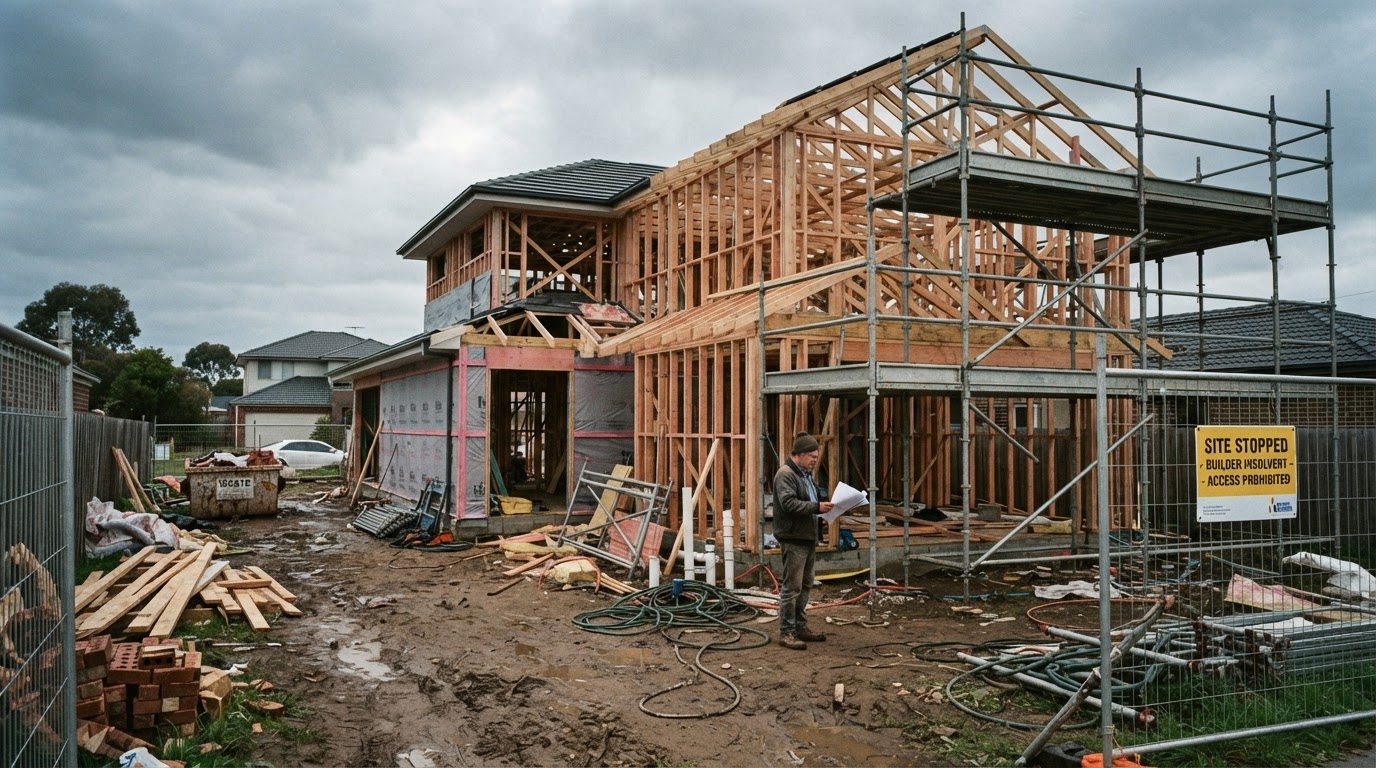
New and off-the-plan purchases carry risks that established homes do not. Site costs and unexpected upgrades can add up on new builds, which is why fixed-price, full turnkey packages with no hidden surprises are worth considering.
Before you sign anything, read what happens if your builder goes bankrupt and the guidance on avoiding hidden site costs when building a home.
What a Buyer Advocate Actually Does for You
A buyer advocate can represent you through the purchase process. The work generally splits into stages that take decisions off your plate.
The Six Steps From First Call to Handover
- Let's talk. A free consultation covers your goals, budget, and eligibility.
- Find the right package. Your advisor matches you to suitable properties or new-home packages.
- Finance and approval. Borrowing capacity is assessed and the loan structured.
- Contracts and paperwork. Land contract, build contract, documentation, and progress requirements are handled.
- Construction oversight. Progress is monitored through to completion.
- Handover. You receive the keys, with settlement managed along the way.
Finance and property can be handled under one roof, which can save time for buyers.
Buyer Advocate Fees: What You Pay and Who Pays It
Buyer advocate fees usually take one of three forms: a fixed fee, a percentage of the purchase price, or a commission or retainer paid from the vendor or developer side. Which model applies changes your total cost significantly, so ask before you engage anyone. The table below sets out how each model works and what to check.
| Fee Model | How It Works | What to Check |
|---|---|---|
| Fixed fee | A set amount regardless of the purchase price, often quoted as a single engagement fee | What is included and excluded: search only, or through to settlement and handover? |
| Percentage fee | Charged as a share of the purchase price, commonly quoted as a percentage plus GST | Whether the percentage creates an incentive to push you toward a higher price |
| Commission or retainer from the vendor side | Paid by the builder, developer, or selling side rather than by you | Full disclosure of the arrangement and any referral relationships |
At Find Select Buy, the buyer is not charged; the builders pay, which is why the service is complimentary. For a full breakdown, read how buyers advocates get paid and what it costs you, and if you want the short version, whether buyers advocates are free covers who ultimately covers the fee.
How to Compare a Fee Against the Likely Value
A fee is only expensive or cheap relative to what it buys. Weigh three things before you sign: the fee against your budget, the scope of work included, and the realistic value of the time and risk removed.
Fee models change your total cost, so compare any quote on the model, not just the headline number.
Watch out: a percentage fee can reward an advocate for a higher purchase price, so ask directly whether the fee is capped.
Questions to Ask About Any Fee Quote
- Is the fee fixed, a percentage, or paid from the vendor side?
- Is GST included in the quoted figure?
- What is excluded, auction bidding, building and pest coordination, settlement support?
Get the answers in writing before you sign.
Buyer Advocate vs Selling Agent: Who Works for Whom
A selling agent works for the vendor and is legally obliged to pursue the vendor's interests, not yours. A buyer advocate works only for you.
When you inspect a property, the agent you meet is not on your side.
This is also why conflict of interest disclosure matters. Ask any advocate directly: who pays you, and are you receiving anything from the seller side?
Buying Property Without a Buyer's Agent: What It Really Costs You
Buying without a buyer's agent costs nothing in fees, but it costs you in time, research, and negotiating leverage. Whether that trade is worth it depends less on the property and more on you. Run this five-factor self-assessment honestly.
A Five-Factor Self-Assessment
Score yourself on each factor. If you land on the left-hand description for most of them, you can comfortably go it alone. If you land on the right-hand description for three or more, an advocate is worth a conversation.
| Factor | Go it alone if... | Consider an advocate if... |
|---|---|---|
| Time | You can inspect on weekends and take calls during business hours | Your weekends are committed and you cannot answer calls mid-week |
| Experience | You have bought before and understand contracts, cooling-off, and finance conditions | This is your first purchase or your first in many years |
| Location | You know the suburb, the streets, and recent comparable sales | You are buying interstate or in an unfamiliar market |
| Confidence | You can separate a marketing price from a genuine one and hold your position in negotiation | You are unsure what a fair price looks like or tend to fold under pressure |
| Complexity | It is a standard established-home purchase | It is new, off-the-plan, a renovation, or a multi-step build |
What You Still Need to Arrange Yourself
Even a confident self-directed buyer should not skip the professionals whose work sits outside the advocate's role.
- You handle property search, inspections, comparable sales, and negotiation.
- You still need a conveyancer or property lawyer to review the contract of sale before you sign.
- You should still commission a building and pest inspection on any established home.
Alternatives to Full-Service Advocacy
Full-service advocacy is not the only option. If the five-factor assessment is mixed, consider a narrower engagement:
- Auction-only bidding support. You run the search and inspections; the advocate bids or advises on the day. This suits buyers who are confident on value but want a calm head at auction.
- Property-search assistance. The advocate shortlists and researches properties against your brief, but you inspect and negotiate.
- Self-directed buying with professional checks. You run the whole process and use a conveyancer, building and pest inspector, and a valuer as your safety net.
Watch out: a narrow engagement can leave gaps between services, confirm in writing who is responsible for contract review, building and pest, and settlement if you split the work.
If you are ready to talk it through, you can book a free new home guidance call and get a clear read on your options before committing to anything.
How to Choose a Buyer Advocate and Check for Conflicts
Choosing a buyer advocate comes down to four checks: credentials, fee structure, conflict disclosure, and a written engagement scope. Run all four before you sign anything.
- Confirm what licence or registration applies in your state and verify it.
- Get the fee model in writing, including who pays it.
- Ask for disclosure of any builder, developer, or agent relationships.
If you are ready to talk it through, you can book a free new home guidance call and get a clear read on your options before committing to anything.
The real challenge is not finding an advocate, it is finding one whose incentives point the same way as yours.
Frequently Asked Questions
What does a buyer advocate do?
A buyer advocate works only for you, not the seller. They help set your buying brief and budget, research and shortlist properties, assess comparable sales, arrange building and pest inspections, and negotiate the purchase offer or bid at auction. Finance and property can be handled under one roof, so you may deal with one advisor instead of several parties.
How much does a buyer advocate cost?
Buyer advocate fees vary by provider and are usually charged as a fixed fee or a percentage of the purchase price, so ask for the full amount in writing before you sign. Some advocates are paid by the builder or developer instead of the buyer, which is why you should confirm who pays and whether any commission creates a conflict. Find Select Buy does not charge the buyer; the service is complimentary, and a free 15-minute consultation is available to discuss your goals.
Can I buy a property without a buyer advocate?
Yes. Buying property without a buyer's agent is common, and plenty of buyers do their own research, inspections and negotiation. It suits people with spare time, confidence reading contracts and a clear sense of market value. The trade-off is that you carry every step yourself, from comparing price guides against comparable sales to chasing the builder on progress, and mistakes at the contract or site-cost stage can cost more than any fee.
What is the difference between a buyer advocate and a selling agent?
A selling agent is appointed by the vendor and is paid to get the highest price for them. A buyer advocate is appointed by you and is paid to protect your interests, which is why the two roles should never be filled by the same person in one deal. Knowing which side someone is on tells you whose numbers to trust when a price guide or a negotiation starts.
Ready to Find Out If You Can Own Instead?
Take our free 2-minute check to explore low deposit new home options matched to your income and situation.